


Dry Eye Treatment
WHAT IS DRY EYE DISEASE?
Dry Eye Disease is a common condition affecting roughly 20 million Americans. When you have dry eye, the cornea and /or conjunctiva is inflamed, because the eyes either do not produce an adequate amount of tears, or tears evaporate too quickly from the surface of the eyes. Most Dry Eye cases involve a combination of both problems.
YOU MAY HAVE DRY EYE DISEASE IF YOU OFTEN EXPERIENCE ANY OF THE FOLLOWING OCULAR SYMPTOMS:
Excess Tearing
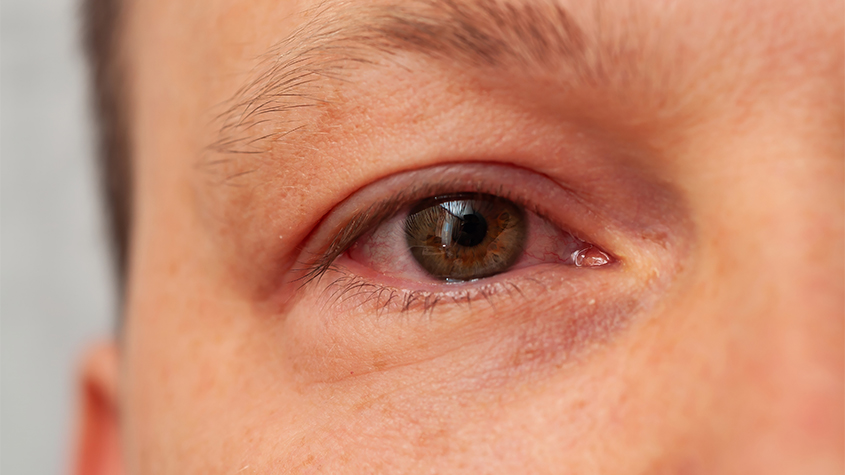
Fluctuating Vision
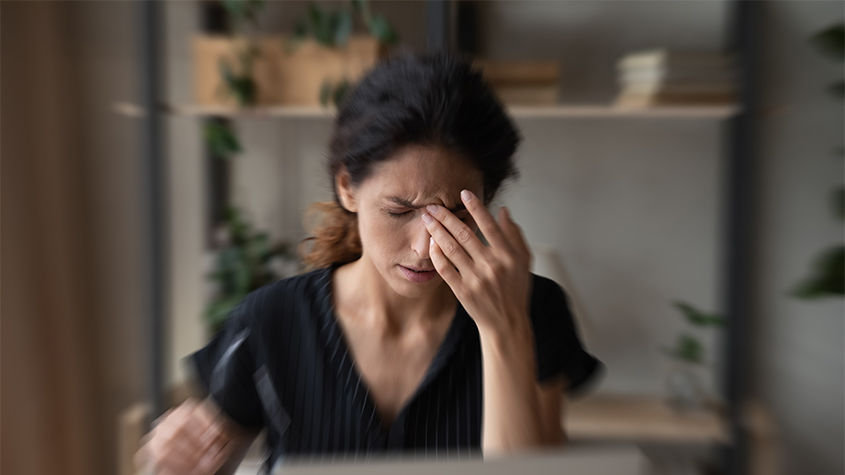
Red, Burning, Scratchy, or Gritty Eyes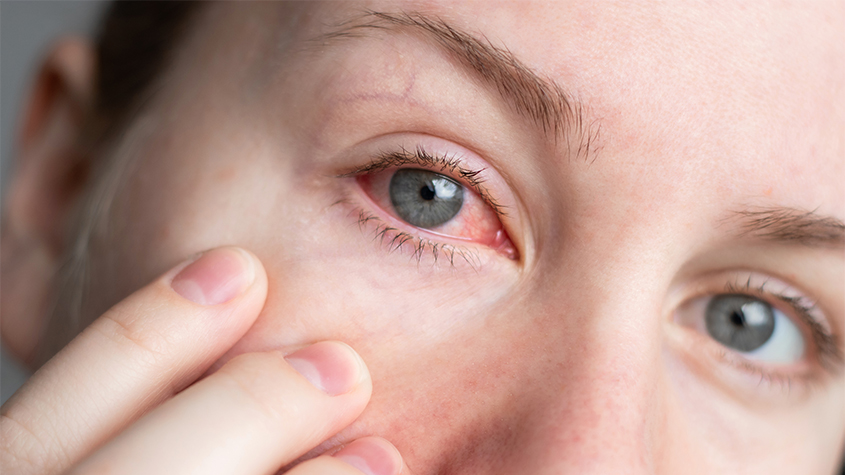
Sore, Tired Eyes

WHAT CAUSES DRY EYE?
Dry eye is a Multi-factorial condition, and many of the following can contribute to or worsen it:
AGE
Reduced tear production: Tear Glands work less efficiently with age, resulting in lower quantity and / quality of tears.
Reduced Oil Production: The oil glands (called Meibomian glands) can become blocked or can atrophy over time, allowing lesser oil secretions onto the eyes.
Less frequent blinking or Incomplete blinking
Increased inflammation in the body can result in inflamed tear glands, oil glands, and ocular surface.
MEDICAL CONDITIONS
Diabetes
Autoimmune Disorders, including Sjogren’s Syndrome, Rheumatoid Arthritis, Lupus, Thyroid Disorders, Crohn’s, Inflammatory Bowel Disease, Psoriatic Arthritis, among many more
Inflammatory Skin Disorders, such as Rosacea
Seasonal Allergies
MEDICATIONS
Various types of medications can cause dry eye, including but not limited to the following:
Antihistamines (Zyrtec, Benadryl, etc)
Antidepressants (Lexapro, Paxil, Celexa, Zoloft, etc)
Diuretics (Hydrochlorothiazide, Furosemide, Spironolactone, etc)
Hormonal Agents (Birth control meds, Estrogen therapy, HRT, etc)
LIFESTYLE
Various lifestyle patterns can contribute to Dry Eye, including the following:
Spending several, continuous hours per day looking at a screen, or reading
Smoking cigarettes
Excessive alcohol or caffeine consumption
Dehydration
DIET
Diets consistently rich in saturated fats, high sodium, high sugar, and ultra-processed foods can increase the risk of Dry Eye, due to increased inflammation in the body.
HORMONAL CHANGES
Hormonal changes can have a significant impact on ocular surface health.
Changes in estrogen and androgen levels
Hormonal contraceptives
Menopause
Thyroid hormone changes
Hormone Replacement Therapy
ENVIRONMENT
Low humidity environments from air-conditioning or heating
Dry or Windy climates
High air pollution
Seasonal allergens
Airborne irritants such as dust, pet dander, mold
CONTACT LENS OVERUSE
Long-term use of contact lenses, especially extended-wear lenses such as monthly or biweekly disposables, can lead to a higher risk of dry eye.
When you schedule your Dry Eye Consult, a thorough Ocular Surface evaluation will be performed through various tests to determine the TYPE of Dry Eye, and the root cause of it.
TREATMENTS FOR DRY EYE DISEASE
Artificial Tears, Lipid-based Lubricant Drops
At-Home Eyelid Health Maintenance
Intense Pulsed Light
Radiofrequency
Prescription Eye Drops
In-Office Lids and Lash Blepharoexfoliation
Rinsada
Amniotic Membrane
Serum Tears
Scleral Contact Lenses
Oral Antibiotics
PREVENTATIVE SELF CARE
Blink regularly when reading, or looking at a computer screen for a long time.
Make sure there’s adequate humidity in the air at home, and in your workspace. Use a humidifier, if necessary.
Wear sunglasses to reduce sun and wind exposure.
Consider an Omega-3 Supplement; there are ones specifically formulated for Dry Eyes.
Find out if any of your prescription medications have dry eye as a side effect; and, if so, discuss with your provider if an alternative can be prescribed.
When you schedule your Dry Eye Consult, a thorough Ocular Surface evaluation will be performed through various tests to determine the TYPE of Dry Eye, and the root cause of it.
SCHEDULE YOUR DRY EYE CONSULT

All Eye
Care Services

Keep
In Touch

Contact Info
Operating Hours
- Monday 9:00am - 6:00pm
- Tuesday 9:00am - 6:00pm
- Wednesday 9:00am - 6:00pm
- Thursday 9:00am - 6:00pm
- Friday 9:00am - 4:00pm
- Saturday Once per month
- Sunday Closed
© 2026 Local Eyes Optometry. All rights Reserved. Accessibility Statement - Privacy Policy - Sitemap
Powered by:
