


Why Treating Meibomian Gland Dysfunction Is Key to Long-Term Dry Eye Relief
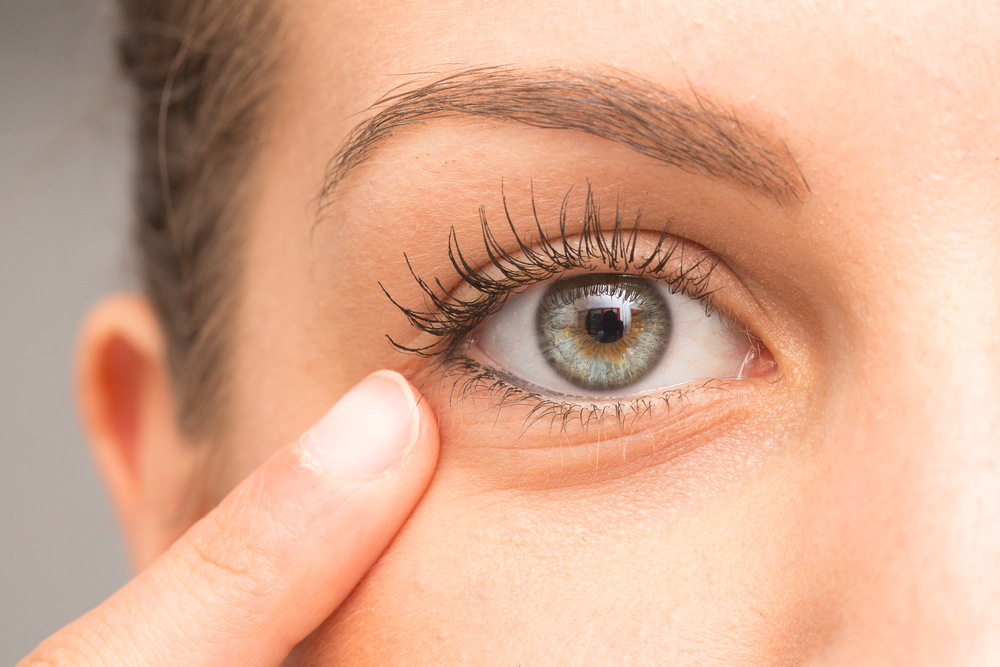
Why Treating Meibomian Gland Dysfunction Is Key to Long-Term Dry Eye Relief
Dry eye is not always caused by a lack of tears. In many cases, the problem starts with the meibomian glands, which are the tiny oil glands along the eyelids. These glands help create the oily layer of your tear film, which keeps tears from evaporating too quickly.
When the meibomian glands become clogged, inflamed, or do not release enough oil, the tear film becomes unstable. This condition is called meibomian gland dysfunction, or MGD, and it is one of the most common reasons people experience chronic dry eye symptoms.
Why MGD Causes Ongoing Dry Eye
Healthy tears need the right balance of water, oil, and mucus. When the oil layer is poor, tears evaporate too fast, leaving the surface of the eye exposed and irritated. This can lead to burning, stinging, redness, blurry vision, watery eyes, and a gritty feeling that does not fully improve with standard artificial tears.
MGD can also become a cycle. Blocked glands contribute to inflammation, and inflammation can make the glands function even worse. Over time, untreated gland dysfunction may lead to long-term changes in gland structure, making early treatment especially important.
Signs You May Have Meibomian Gland Dysfunction
MGD symptoms can feel similar to general dry eye, which is why a dry eye evaluation is important. You may notice:
• Burning, scratchy, or gritty eyes
• Redness or irritation
• Watery eyes caused by poor tear quality
• Blurry or fluctuating vision
• Contact lens discomfort
• Symptoms that worsen with screen use, reading, wind, or dry environments
Because symptoms do not always match the severity of gland dysfunction, testing the tear film and eyelids can help identify the root cause of discomfort.
Why Artificial Tears May Not Be Enough
Lubricating drops can provide short-term comfort, but they do not always address blocked or inflamed meibomian glands. If the oil glands are not working properly, the tear film may continue to evaporate too quickly.
Long-term dry eye relief often depends on treating the source of the problem. That may include improving eyelid health, reducing inflammation, clearing gland blockages, and supporting better oil flow.
How IPL Treatment Can Help
Intense Pulsed Light, or IPL treatment, is an in-office option that may help patients with evaporative dry eye related to meibomian gland dysfunction. IPL uses controlled light energy around the eyelids and cheeks to help reduce inflammation and support healthier gland function.
For many patients, IPL is part of a broader dry eye treatment plan. Depending on your evaluation, care may also include at-home eyelid maintenance, lipid-based lubricating drops, prescription eye drops, in-office lid and lash cleaning, or other therapies designed to improve ocular surface health.
Treating the Glands for Better Long-Term Comfort
MGD is not just an irritation issue. It is a gland function issue. When the meibomian glands are evaluated and treated directly, patients have a better chance of managing dry eye at the source instead of relying only on temporary symptom relief. A dry eye consultation can help determine the type of dry eye you have and whether meibomian gland dysfunction is contributing to your symptoms.
Schedule a dry eye evaluation with Local Eyes Optometry to learn more about advanced treatment options. Visit our office in New Braunfels, Texas, or call our optometrist at (830) 627-9272 to book an appointment today.

All Eye
Care Services

Keep
In Touch

Contact Info
Operating Hours
- Monday 9:00am - 6:00pm
- Tuesday 9:00am - 6:00pm
- Wednesday 9:00am - 6:00pm
- Thursday 9:00am - 6:00pm
- Friday 9:00am - 4:00pm
- Saturday Once per month
- Sunday Closed
© 2026 Local Eyes Optometry. All rights Reserved. Accessibility Statement - Privacy Policy - Sitemap
Powered by:
