


Vision Screening vs. Comprehensive Pediatric Eye Exams
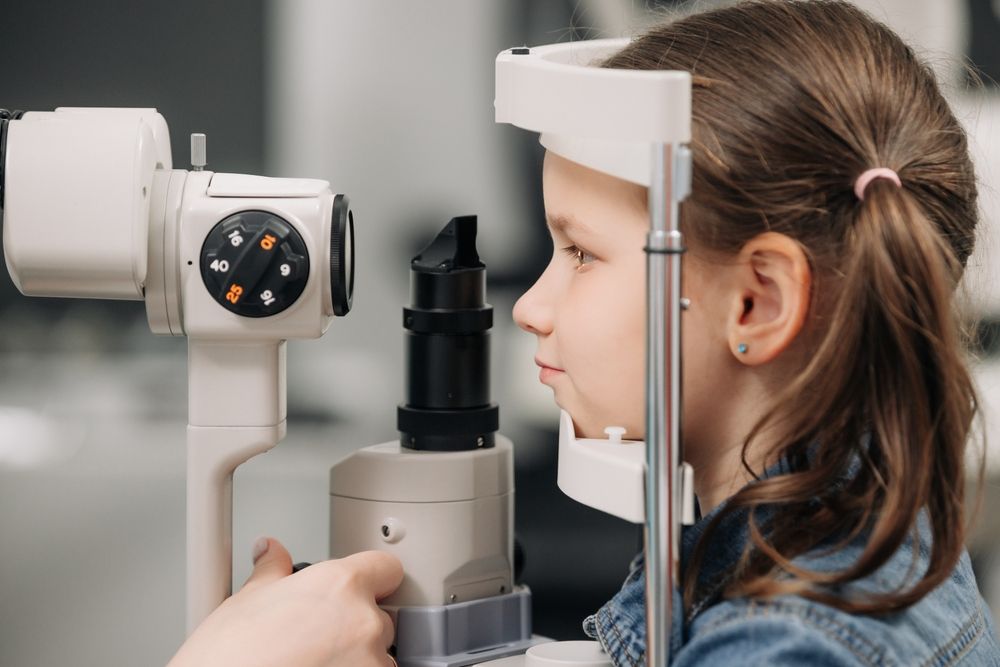
Children depend on clear, comfortable vision every day for learning, reading, and development. Although vision screenings are commonly used to check for basic issues, they are not a replacement for a comprehensive pediatric eye exam. Understanding how these two evaluations differ can help parents take a more complete approach to their child’s eye health.
What a Vision Screening Checks
A vision screening is usually a brief test performed at school, during a pediatric wellness visit, or through a community program. It is designed to identify obvious vision issues, such as trouble seeing at a distance. Screenings can be helpful because they may flag children who need further evaluation.
However, a screening is limited. It does not provide a full assessment of how the eyes work together, how well the eyes focus, or whether there are early signs of eye disease.
What a Comprehensive Pediatric Eye Exam Includes
A comprehensive pediatric eye exam goes much deeper. Our optometrist evaluates more than whether a child can read letters on a chart. The exam looks at overall visual development, eye alignment, focusing ability, depth perception, prescription needs, and the health of the eyes.
This type of exam can detect issues that may not be obvious at home or in the classroom. Some children assume the way they see is normal, even when they are struggling.
Why Screenings Can Miss Important Problems
A child can pass a vision screening and still have a vision problem. Conditions such as eye teaming issues, focusing problems, mild refractive errors, or lazy eye may not be caught in a basic screening. These issues can affect reading, attention, classroom performance, and comfort during near work. Because screenings are limited, they should be seen as a first step—not a substitute for a full pediatric eye exam.
Signs Your Child May Need a Full Eye Exam
Parents should pay attention to signs that may point to an underlying vision issue, including:
Squinting or covering one eye
Frequent headaches or eye strain
Sitting too close to screens
Losing place while reading
Complaints of blurry vision
Trouble concentrating during schoolwork
Even without symptoms, routine pediatric eye exams in New Braunfels are still important because some vision problems develop quietly.
The Importance of Early Detection
Children rely heavily on vision for learning and development. If a vision problem is caught early, treatment can often begin before it interferes more seriously with school, sports, or daily activities. Early diagnosis may also help prevent some issues from becoming harder to manage later. A comprehensive pediatric eye exam gives parents a clearer picture of their child’s visual health and supports stronger long-term outcomes.
Help Your Child See and Learn with Confidence
Vision screenings are useful for broad checks, but they are not meant to replace full eye care. A comprehensive pediatric eye exam provides the detailed information needed to diagnose problems accurately and guide treatment when needed. For parents who want peace of mind, a full exam is the more complete and dependable option.
Schedule a comprehensive pediatric eye exam at Local Eyes Optometry to support your child’s vision and eye health. Visit our office in New Braunfels, Texas, or call our optometrist at (830) 627-9272 to book an appointment today.

All Eye
Care Services

Keep
In Touch

Contact Info
Operating Hours
- Monday 9:00am - 6:00pm
- Tuesday 9:00am - 6:00pm
- Wednesday 9:00am - 6:00pm
- Thursday 9:00am - 6:00pm
- Friday 9:00am - 4:00pm
- Saturday Once per month
- Sunday Closed
© 2026 Local Eyes Optometry. All rights Reserved. Accessibility Statement - Privacy Policy - Sitemap
Powered by:
