


How Diabetes Can Affect Your Eyes and Vision
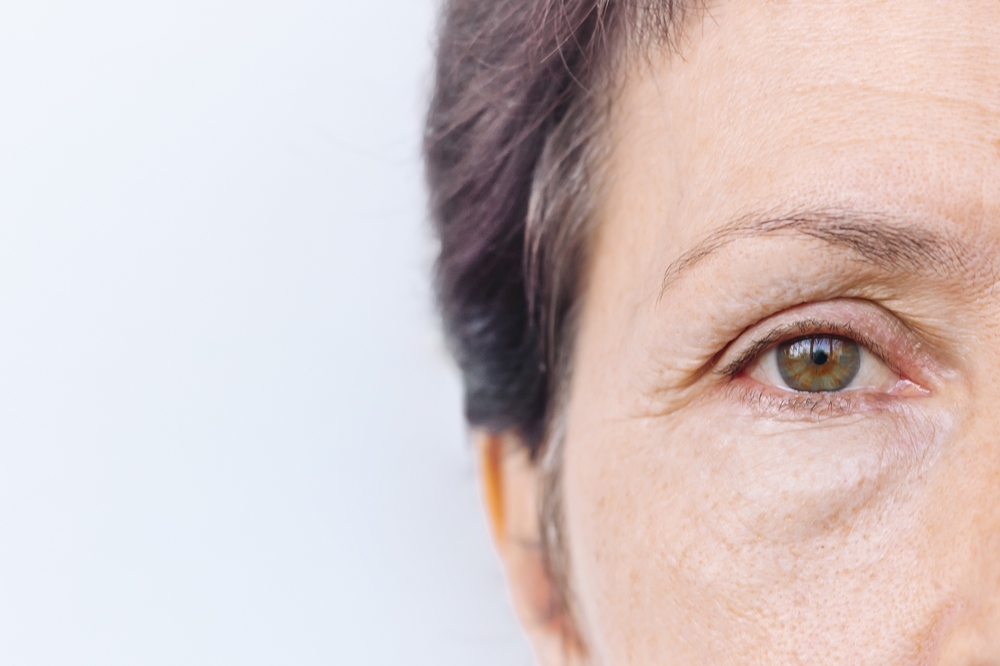
Diabetes can affect more than blood sugar - it can also have a serious impact on your eyes and vision. When blood sugar levels stay high over time, they can damage the small blood vessels that support the retina and other delicate structures inside the eye. For patients in New Braunfels, regular medical eye exams are an important part of protecting long-term vision and detecting diabetic eye changes before symptoms become noticeable.
How Diabetes Affects the Eyes
The eyes rely on healthy blood vessels to deliver oxygen and nutrients to the retina, which is the light-sensitive tissue at the back of the eye. Diabetes can weaken these blood vessels, causing them to leak, swell, close off, or grow abnormally. These changes may affect vision gradually, but in many cases, early diabetic eye disease does not cause obvious symptoms.
Some people may notice blurry vision, fluctuating vision, floaters, dark spots, or difficulty seeing at night. Others may feel that their vision changes from day to day, especially when blood sugar levels are not well controlled.
Common Diabetic-Related Eye Conditions
Diabetes can increase the risk of several eye conditions, including diabetic retinopathy, diabetic macular edema, cataracts, and glaucoma. Diabetic retinopathy occurs when blood vessels in the retina become damaged. Diabetic macular edema develops when fluid builds up in the central part of the retina, which can affect sharp, detailed vision.
People with diabetes may also develop cataracts earlier than expected, causing cloudy or hazy vision. Glaucoma risk can also increase, which may damage the optic nerve and lead to permanent vision loss if not detected and managed early.
Why Medical Eye Exams Are So Important
One of the most important things to know about diabetic eye disease is that it can progress quietly. You may still see clearly while early damage is developing inside the eye. A medical eye exam allows Dr. Page to evaluate the health of the retina, optic nerve, blood vessels, and other structures that can be affected by diabetes.
During a diabetic eye exam, Dr. Page may use advanced imaging and a dilated eye evaluation to look for early signs of disease. Detecting changes early gives patients the best chance to manage problems before they become more serious.
How to Protect Your Eyes with Diabetes
While diabetes can increase your risk for eye disease, there are steps you can take to support healthier vision:
• Schedule regular medical eye exams, even if your vision seems normal
• Keep blood sugar, blood pressure, and cholesterol levels well managed
• Report new symptoms such as floaters, blurry vision, or vision loss promptly
• Avoid smoking, as it can increase the risk of blood vessel damage
• Maintain a healthy lifestyle with balanced nutrition and regular activity
When to See Our Eye Doctor
If you have diabetes, do not wait for vision changes to schedule an eye exam. Regular monitoring helps Dr. Page catch subtle changes early and recommend the right next steps. If you are experiencing blurry vision, sudden floaters, dark spots, eye pain, or changes in your side vision, it is especially important to seek care promptly.
Schedule a medical eye exam with Local Eyes Optometry to help detect diabetic eye disease early and protect your long-term vision. Visit our office in New Braunfels, Texas, or call our optometrist at (830) 627-9272 to schedule an appointment today.

All Eye
Care Services

Keep
In Touch

Contact Info
Operating Hours
- Monday 9:00am - 6:00pm
- Tuesday 9:00am - 6:00pm
- Wednesday 9:00am - 6:00pm
- Thursday 9:00am - 6:00pm
- Friday 9:00am - 4:00pm
- Saturday Once per month
- Sunday Closed
© 2026 Local Eyes Optometry. All rights Reserved. Accessibility Statement - Privacy Policy - Sitemap
Powered by:
